


As one of the best-known wine-growing regions in Germany, the Mosel region is particularly known for its wine and distinctive wine culture. The Romans already cultivated the vineyards on the Mosel and found the steep slopes particularly suitable for winegrowing.
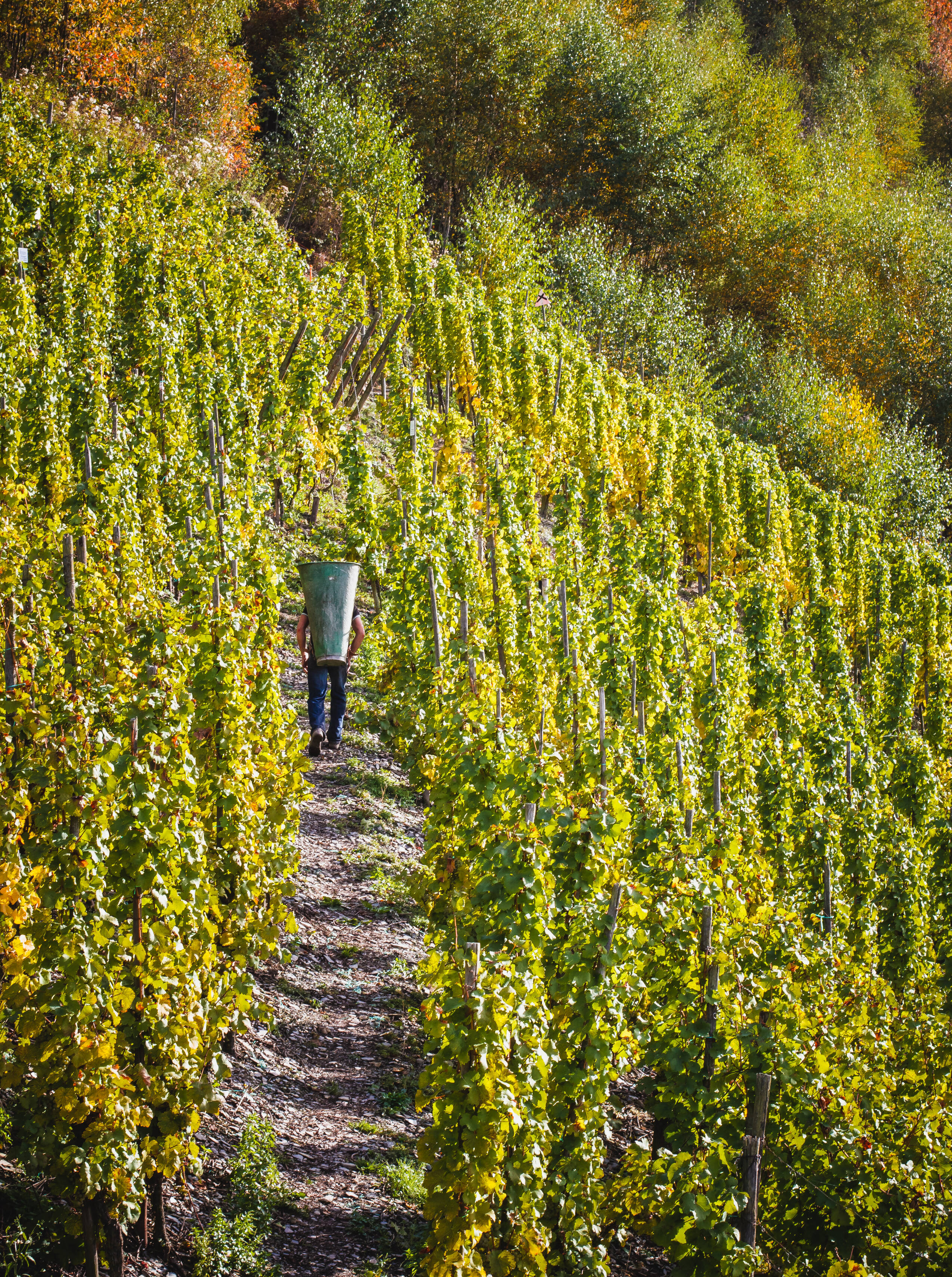
Even today, steep-slope viticulture is still predominantly practiced on the Mosel. In addition to Riesling, more and more varied grape varieties are being cultivated, such as Pinot Blanc, Elbling and Rivaner, and red wines are also finding a home on the Mosel. The large number of smaller winegrowers and top winegrowers is what makes the Mosel and its wines so individual and special.
From the Deutschherrenhof, you can look out over the surrounding vineyards, visit wineries in the region and enjoy wine tastings. On hikes through the vineyards, you can admire the labor-intensive steep slopes and watch one or two winegrowers at work. The grape harvest is particularly fascinating in the fall - when the grapes are brought out of the vineyard using monorak lifts, hotten or rope hoists.
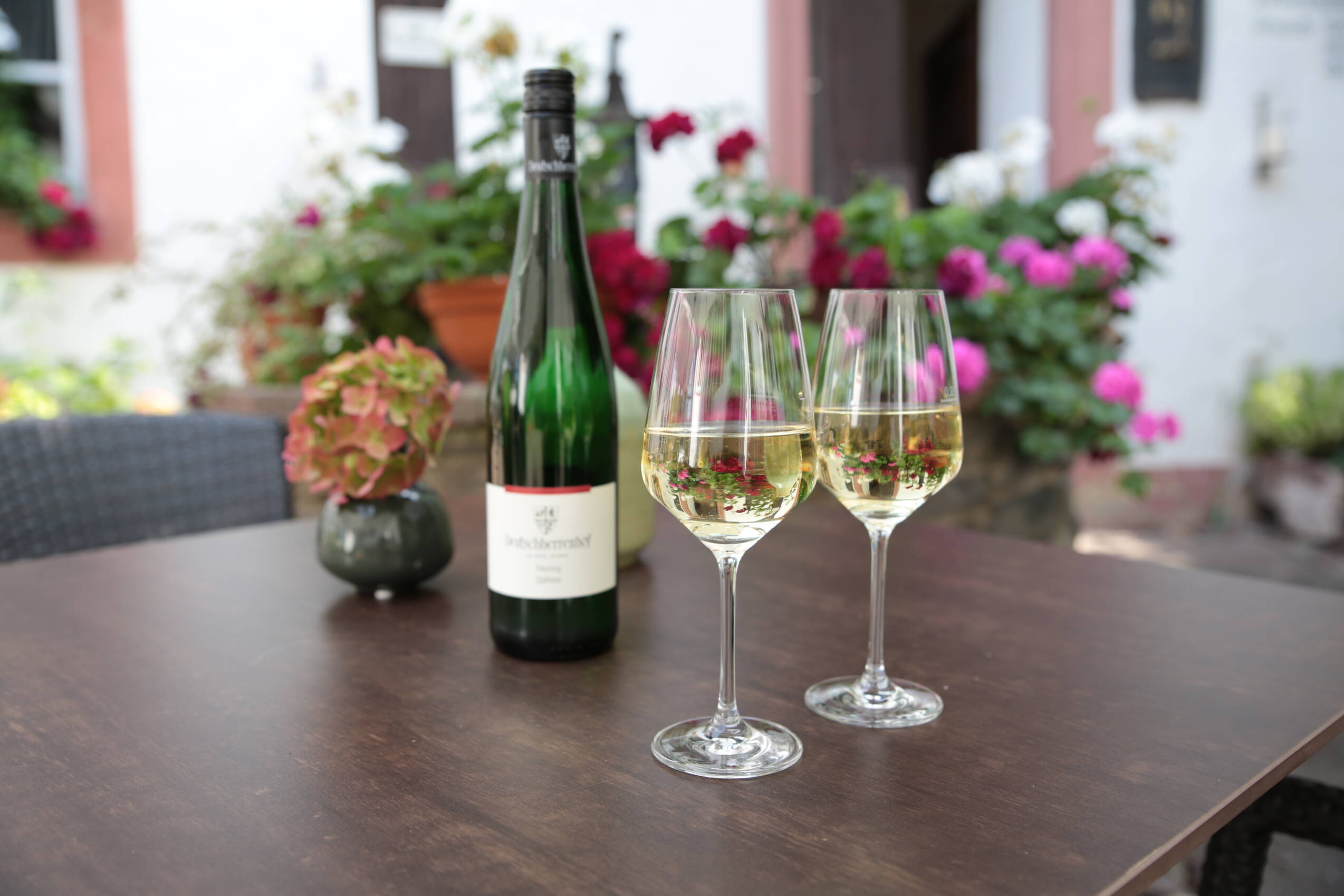
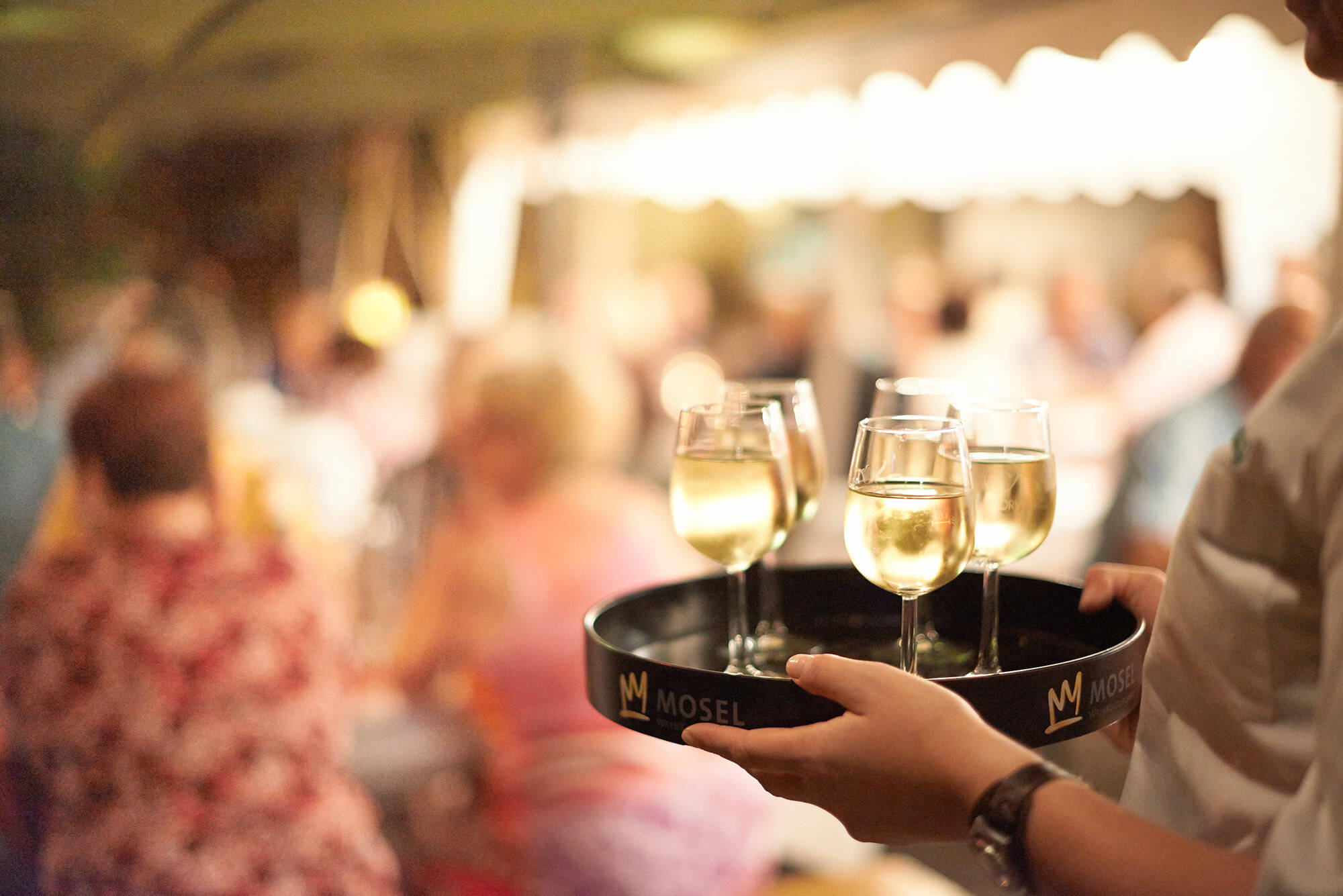
In small wine taverns and at wine festivals, you can taste, smell and, in a special way, feel the work done by the winegrowers on the Mosel.